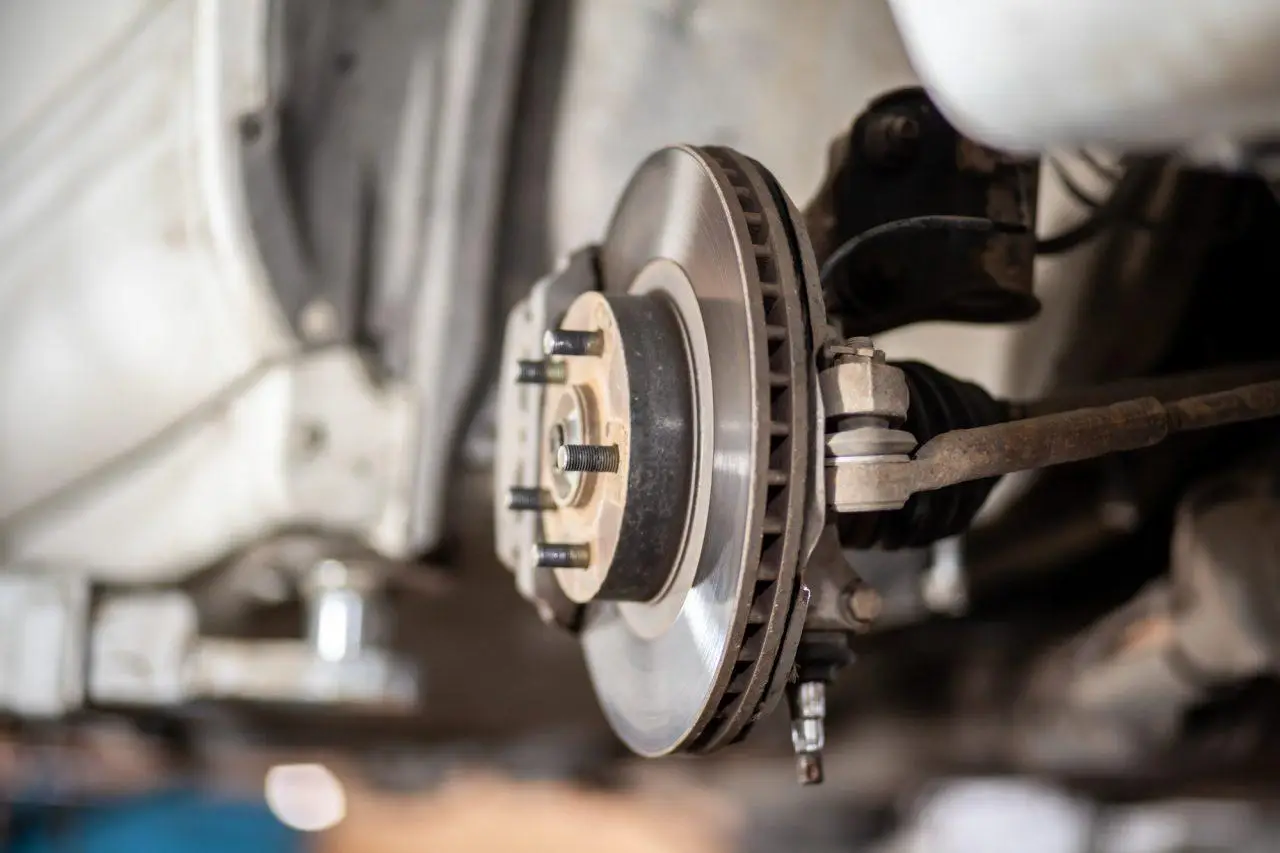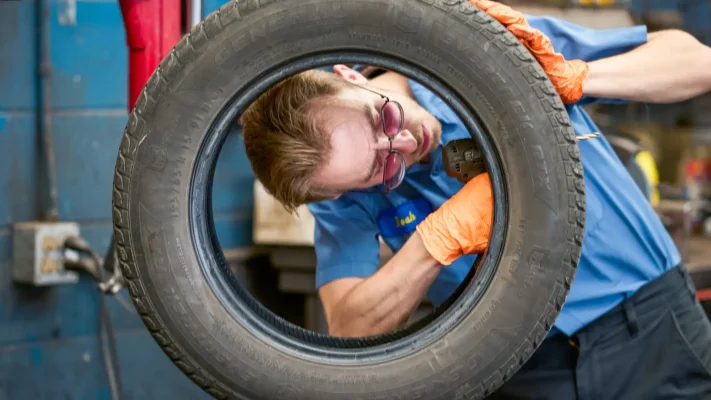
A tough Ontario winter can be hard on your tires. Between potholes, sharp road debris, cold temperatures, hidden ice, salt, and rough pavement, your tires go through months of stress before spring even arrives. By the time the weather warms up, some drivers notice a slow leak, low tire pressure, vibration, uneven wear, or a nail that has been sitting in the tread longer than they realized.
The first question is usually simple: can the tire be repaired, or does it need to be replaced?
The answer depends on where the damage is, how severe it is, how much tread is left, and whether the tire is safe to keep using. A small puncture in the right area may be repairable. A sidewall cut, worn-out tread, or damage from driving too long on a flat tire may mean replacement is the safer choice.
If you are not sure what your tire needs, The Mufflerman’s tire services can help you get a proper inspection before deciding whether to patch, plug, or replace the tire.
Why Tire Problems Often Show Up After Winter
Winter can hide tire problems until spring. Cold weather causes tire pressure to drop, while potholes and uneven roads can damage tires, wheels, and suspension components. Road salt and debris can also collect around the tire and wheel area, making small issues harder to spot until the vehicle is cleaned or the tires are changed.
That is one reason spring tire checks are so important. In The Mufflerman’s blog on spring vehicle care tips for Ontario drivers, the key point is that spring maintenance is not just about preparing for warmer weather. It is also about understanding what winter may have done to your vehicle.
Tires are a major part of that check. If one tire keeps losing air, the steering wheel shakes, or the vehicle feels different on dry roads, it is worth having the tire inspected before assuming it only needs more air.
When A Tire Can Usually Be Repaired
A tire can often be repaired when the puncture is small, located in the main tread area, and the tire is otherwise in good condition. For example, a nail or screw in the centre tread may be repairable if it did not cause internal damage and the tire has enough tread left.
The key is location. Damage in the tread area is very different from damage near the sidewall. The tread is the part of the tire designed to contact the road. The sidewall flexes constantly while driving, which makes repairs in that area unsafe in most cases.
If you are looking for help after noticing a slow leak or puncture, a proper inspection can confirm whether the tire is safe to repair or whether replacement is the better option.
What Is A Tire Plug?
A tire plug is used to fill a puncture from the outside of the tire. It can stop air from escaping and may be used in certain repair situations. However, a plug alone does not always allow the inside of the tire to be inspected.
That matters because a tire can look repairable from the outside while still having damage inside. If a driver continued driving on the tire while it was very low or flat, the internal structure may have been weakened. In that case, sealing the hole would not solve the full problem.
A plug may be part of a repair, but it should not replace a proper safety inspection.
What Is A Tire Patch?
A tire patch is applied from inside the tire. This allows the technician to remove the tire from the wheel, inspect the inside, and seal the damaged area properly. In many professional repairs, a patch and plug combination may be used to seal the puncture and protect the tire from air loss.
This is why professional tire repair is different from a quick roadside fix. It is not just about getting the tire to hold air again. It is about making sure the tire is safe for regular driving.
Drivers who are already visiting The Mufflerman for a seasonal tire change can also use that appointment to ask about punctures, uneven tread wear, or slow leaks noticed over the winter.
When A Tire Needs To Be Replaced Instead
Not every tire should be repaired. Replacement is usually the safer option when the puncture is in the sidewall or shoulder, the hole is too large, the tread is too worn, or the tire has been driven on while flat. Cracks, bulges, exposed cords, or repeated air loss are also warning signs.
Winter can make these problems more likely. A tire that hits potholes repeatedly may develop internal damage. A tire that was already worn before winter may have even less tread by spring. A tire that sat underinflated through cold months may show uneven wear once the weather improves.
Why Sidewall Damage Is Different
Sidewall damage is one of the clearest reasons a tire may need replacement. The sidewall handles a lot of flex and movement while the vehicle is in motion. Because of that, it cannot usually be repaired safely the way a tread puncture can.
If you see a cut, bubble, bulge, or scrape on the sidewall, do not ignore it. Even if the tire is still holding air, the structure may be weakened. A sidewall problem can become dangerous quickly, especially at higher speeds or under heavy load.
When in doubt, have the tire inspected before continuing to drive on it.
What To Do If Your Tire Keeps Losing Air
A slow leak can be frustrating because the tire may look fine at first. You fill it up, drive for a few days, then the pressure warning light comes back on. This can happen because of a small puncture, damaged valve stem, wheel corrosion, bead leak, or rim issue.
Do not keep topping up the tire without finding the cause. Low tire pressure can affect fuel efficiency, handling, braking, and tire wear. It can also lead to more damage if the tire becomes too soft while driving.
Booking service at your nearest Mufflerman location can help identify whether the issue is the tire itself, the wheel, or another related component.
Don’t Guess With Tire Safety
It can be tempting to treat every flat tire as a simple repair, especially when the damage looks small. But tires are too important to guess on. They affect steering, braking, comfort, fuel economy, and overall vehicle safety.
A proper inspection can tell you whether a tire can be repaired, whether a patch or plug is appropriate, or whether replacement is the safer long-term decision. After a tough winter, that inspection is even more valuable.
If your tire is leaking, damaged, worn, or making your vehicle feel different on the road, The Mufflerman can help you find the right solution before a small issue becomes a bigger problem.
FAQs
A tire with a nail in it may be repairable if the puncture is small, located in the main tread area, and the tire has not been driven on while flat. A technician should inspect it before deciding.
A patch is applied from inside the tire, which allows the tire to be inspected more thoroughly. In many cases, a professional repair may involve a patch and plug combination.
Sidewall damage usually cannot be repaired safely. If the sidewall has a cut, bulge, crack, or puncture, the tire will often need to be replaced.
Your tire may be losing air because of a puncture, valve stem issue, bead leak, wheel corrosion, or damage caused by potholes and winter road conditions.
A tire should usually be replaced if the damage is on the sidewall, the puncture is too large, the tread is too worn, the tire has a bulge, or it was driven on while flat.