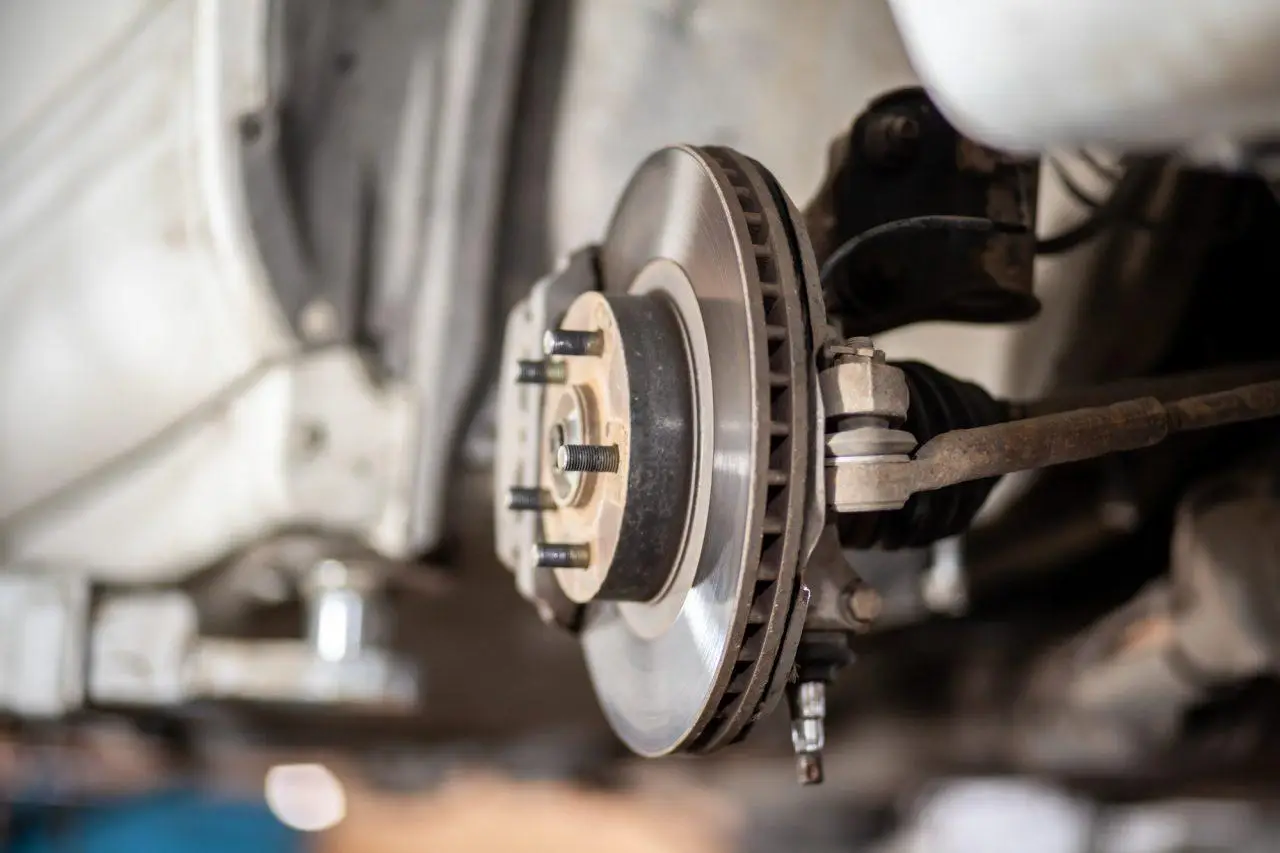
That sudden steering wheel shake at 90 to 110 km/h is unsettling. One minute your drive feels smooth, the next it feels like the whole car is vibrating. In February, this is often caused by something surprisingly simple, like packed snow and ice stuck inside a wheel. Other times, it is your car asking for a wheel balance, an alignment check, or a closer look at a tire that has been damaged by potholes.
If you are not sure what you are dealing with, the safest approach is to treat highway vibration as a warning sign and do a quick, practical check before you keep pushing your speed.
If you’d like a quick, professional diagnosis, the trained mechanics at The Mufflerman can pinpoint whether the issue is ice buildup, wheel balance, tire damage, or something else.
First, know when to slow down and pull over
If the vibration is mild and only happens at a specific speed, it may be safe to slow down gradually and exit when you can. If it becomes severe, happens along with a thumping sound, or the vehicle starts pulling hard to one side, treat it as urgent. Find a safe place to pull over away from traffic and take a look.
A quick note for winter driving: Transport Canada recommends winter tires on all wheels for cold, snowy, or icy conditions because they provide better traction than all-season tires in winter weather. If your vehicle is already feeling unstable, traction matters even more.
The most common February cause: snow and ice packed into the wheel
Here is the classic scenario. You drive through slush, your wheels pick up snow, then it freezes into a hard chunk inside the rim. That chunk acts like an unwanted wheel weight. At lower speeds you might not notice, but at highway speed it can feel dramatic.
What you can do immediately:
Park somewhere safe and look at the inside of each wheel. If you can see packed snow or ice, clear it out gently. A soft brush and some patience usually do the trick. Avoid smashing at the wheel with anything metal or sharp. You do not want to damage the rim or knock a wheel weight off.
If the shake disappears after clearing the wheels, you likely found the problem. It is still worth keeping an eye on it, because the same conditions can cause a repeat the next time you hit slush.
When it is not ice: wheel balance that is slightly off
If you cleared the wheels and the vibration is still there, wheel balance is the next suspect. Balance issues tend to show up in a very specific way: the car feels mostly fine at city speeds, but starts vibrating as you climb into highway speed. Sometimes it is the steering wheel, sometimes it feels like it is coming from the seat or the floor, depending on which wheel is affected.
Balance can drift over time, but winter conditions can accelerate the issue. Hitting a pothole, losing a wheel weight, or packing debris into the rim can all throw things off.
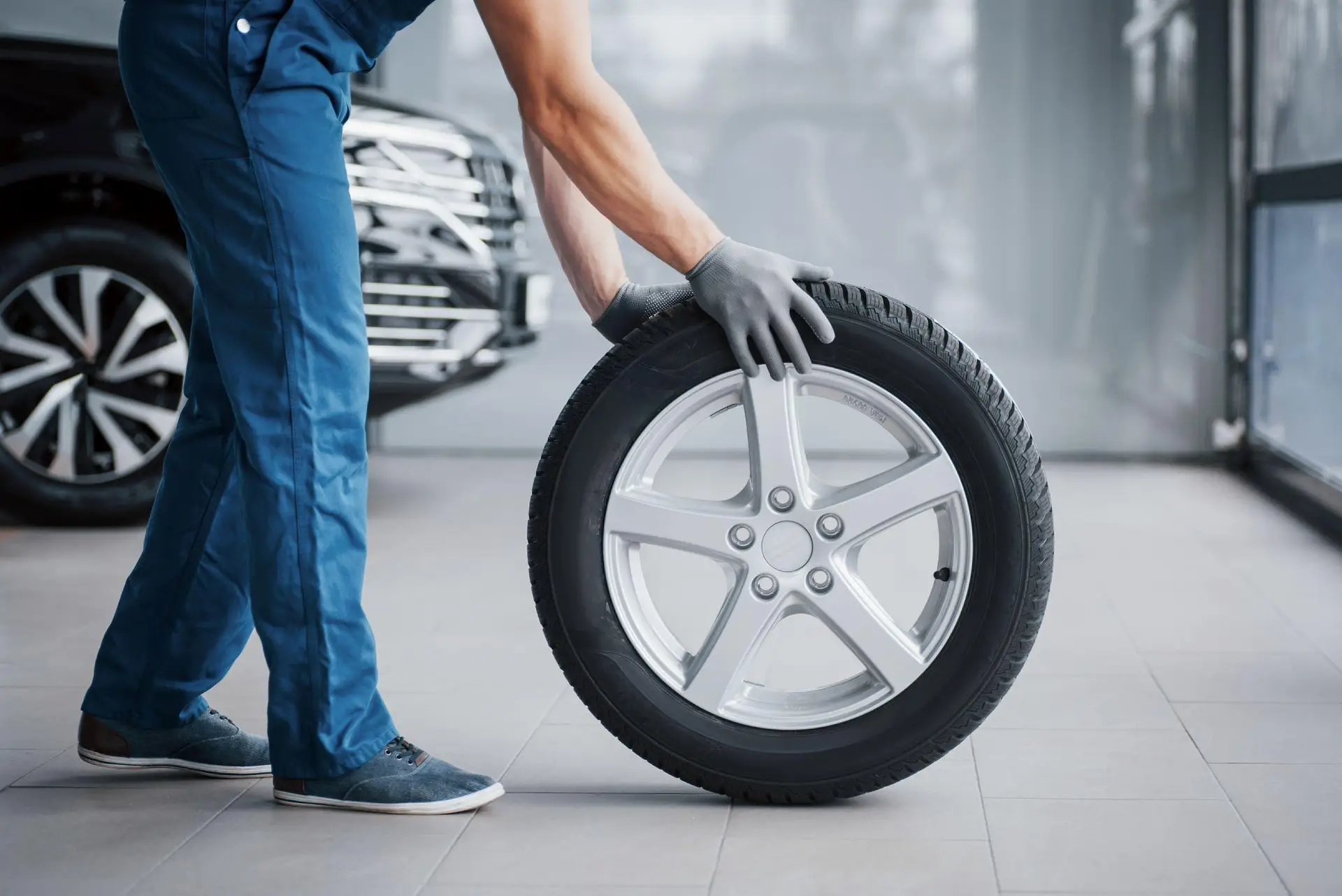
This is also why tire swaps are a good moment to check balance. In The Mufflerman’s own post about seasonal tire swaps, they call out proper balancing as a key step to prevent vibrations and keep the ride smooth.
Tire damage and potholes: the vibration that will not “settle down.”
Ontario winters are hard on tires. A pothole hit can cause a bulge in the sidewall, a bent rim, or internal tire damage that you cannot see at a glance. If you notice vibration plus any of the signs below, do not ignore it:
A new wobble that is getting worse over a few days, visible cracking or a bubble on the tire sidewall, or a steering pull that started right after a pothole impact.
The frustrating part is that a tire can look “okay” from a distance and still be compromised. That is why it helps to connect the dots. If your vibration started right after a pothole, the odds shift away from ice buildup and toward impact damage or alignment.
If you want a quick primer on what potholes can do to your vehicle, The Mufflerman’s guide on the topic highlights a practical point many drivers miss: keeping proper tire pressure helps tires absorb impacts better and can reduce the risk of damage.
Tire pressure swings can make the problem feel worse
Even if the root cause is balance or a damaged tire, low tire pressure can amplify the sensation and make handling feel “floaty” or unstable.
Canadian Centre for Occupational Health and Safety notes that tire pressure drops as temperatures fall, and that checking and restoring pressure to the manufacturer’s recommendation is an important winter-driving step.
If your car started vibrating after a cold snap, it is worth checking pressure before you assume something expensive is wrong. It is fast, and it is good for fuel economy and tire wear anyway.
When wheel balance is not the only issue: alignment and steering components
Sometimes vibration is the symptom, not the whole story. If a wheel is out of balance and you keep driving on it, you can accelerate uneven tire wear. If you hit a pothole and your alignment shifts, the tire can start wearing in a way that makes vibration permanent until the underlying issue is fixed.
If the steering wheel is off-centre, the vehicle pulls, or you are seeing uneven tread wear, an alignment check is usually the next step.
If you need tires, start with the right fit and a proper install
When vibration leads you into tire shopping, it is tempting to focus only on price. But the “right” tire is also about proper fit, safe installation, and balancing done correctly so you do not end up chasing vibrations again.
If you are comparing options, you can browse and price out tires using our Shop Tires tool and then book the install with a shop that will inspect the wheels and balance everything properly.
FAQs
Most balance-related vibrations show up at higher speeds because small imbalances become much more noticeable as the wheel rotates faster. Ice buildup inside the rim can do the same thing.
Yes. A chunk of ice or snow stuck inside the wheel can act like an uneven weight. Clearing it often fixes the issue right away.
Watch for a bulge in the sidewall, persistent vibration that does not change after clearing snow, or a new pull to one side. If any of those show up, get the tire inspected as soon as possible.
If it is mild and you can slow down safely, exit the highway and check for ice buildup. If it is worsening, paired with noise, or affecting control, pull over safely and arrange an inspection.
It is strongly recommended. Even if tires were balanced previously, winter impacts and lost wheel weights can change things. Proper balancing is one of the best ways to prevent highway vibration.