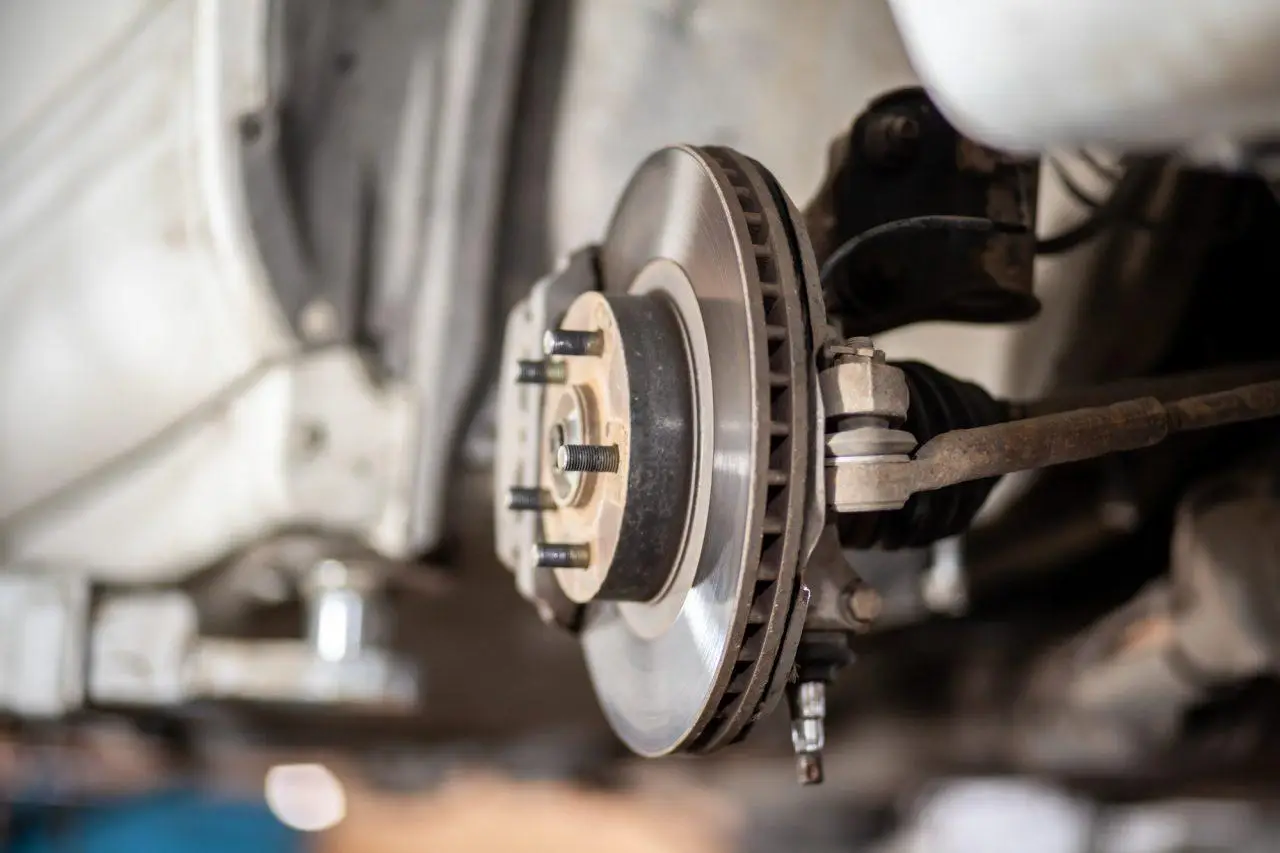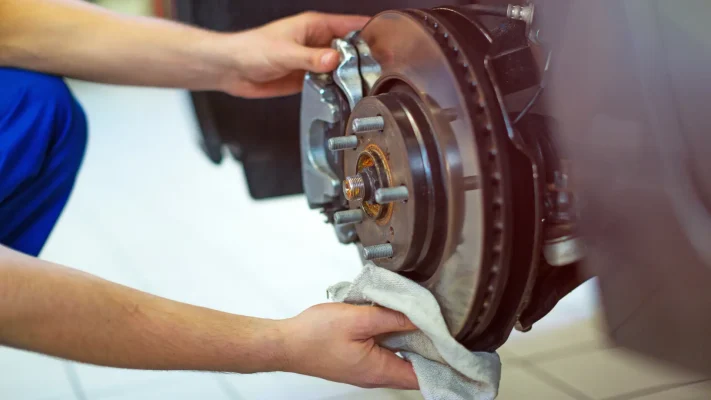
A soft brake pedal usually means the braking system is not building or holding hydraulic pressure the way it should. If the pedal feels spongy, sinks farther than normal, or approaches the floor, have the brake system inspected promptly rather than assuming the problem is simply worn brake pads.
Possible causes include air in the brake lines, low or leaking brake fluid, a damaged brake hose, a master-cylinder problem, or excessive movement elsewhere in the braking system. Because several faults can create a similar pedal feel, diagnosis should come before parts are replaced. Brake-parts manufacturers and current technical guidance identify air, brake-hose deterioration, rear-brake adjustment and master-cylinder faults among potential causes of a low or soft pedal.
What Does a Soft or Spongy Brake Pedal Feel Like?
A soft brake pedal has more travel and less firm resistance than normal. Drivers often describe it as spongy, mushy, low, or as though the pedal has to be pushed farther before the vehicle begins to slow.
That is different from a brake pedal that is unusually hard to press, which can point toward reduced brake assist or another issue. A soft or sinking pedal more often raises concern about the hydraulic side of the system.
Pay attention to when the change started. Other symptoms, including a brake warning light, visible fluid, pulling, grinding, or a pedal that keeps moving toward the floor, can help narrow down the cause.
The Mufflerman’s brake inspection and maintenance service looks at the complete braking system rather than assuming one symptom has one cause. The company’s brake-service information specifically explains that technicians inspect the entire system before determining what needs to be corrected.
What Causes a Soft Brake Pedal?
A soft brake pedal is often related to a loss of hydraulic pressure or a condition that prevents pressure from being transmitted consistently. Several components may need to be checked.
Air in the Brake Lines
Brake fluid transfers force from the pedal through the hydraulic system. Liquid does not compress the way air does, so trapped air can make the pedal feel springy or spongy.
Air may remain after hydraulic brake work or enter if the reservoir becomes very low. Proper bleeding removes trapped air, but bleeding alone is not a complete repair if a leak or failed component allowed the problem to develop.
Brake Fluid Leaks
A leak can reduce both fluid level and hydraulic pressure. Potential leak points include brake lines, flexible hoses, calipers, wheel cylinders on vehicles with drum brakes, and the master cylinder.
Some hydraulic faults are small or internal, so a visible puddle is not required for a soft-pedal problem. If the reservoir is low, simply adding fluid does not explain why the level dropped.
Ontario vehicles also face moisture, road salt and freeze-thaw conditions. Corrosion on metal brake lines and fittings is one reason the hydraulic system on an older vehicle deserves careful inspection. Current Canadian brake guidance specifically identifies road-salt corrosion as one possible contributor to brake-line leakage.
A Failing Master Cylinder
The master cylinder converts pedal movement into hydraulic pressure. If internal seals wear, fluid can bypass inside the cylinder instead of maintaining pressure throughout the system.
One possible symptom is a pedal that feels acceptable at first but slowly sinks while steady pressure is applied. An internal master-cylinder problem may not leave an obvious puddle under the vehicle. Current soft-pedal guidance and brake-parts technical information both identify the master cylinder as a potential cause of a low or sinking pedal.
Brake Hose or Component Problems
Flexible brake hoses move with the suspension and steering. Damage, deterioration or an abnormal response under pressure can contribute to inconsistent braking or unusual pedal feel.
Worn pads, shoes or poorly adjusted drum brakes can also increase the amount of movement required before the friction material contacts the rotor or drum. However, a truly spongy or sinking pedal should not automatically be blamed on worn pads because replacing friction parts will not correct air, fluid loss or an internal hydraulic fault.
What If the Brake Pedal Goes Almost to the Floor?
A brake pedal that goes much closer to the floor than normal is a serious warning sign because the system may not be developing dependable braking pressure. Do not use a regular commute or highway drive as a test to see whether the symptom gets worse. Current brake guidance treats a sinking or floor-level pedal as a symptom requiring prompt investigation.
If braking ability changes significantly while you are driving, reduce speed safely, create as much space as possible from other traffic, and get the vehicle to a safe location. If you are not confident it can stop normally, arranging a tow is safer than driving to a repair shop.
A pedal that briefly firms up after being pumped can offer a diagnostic clue, but temporary firmness does not make the problem repaired or the vehicle safe for normal driving.
Can a Soft Brake Pedal Happen Without a Visible Fluid Leak?
Yes. A soft brake pedal can occur even when there is no obvious brake-fluid puddle. Air can remain trapped in the hydraulic system, the master cylinder can lose pressure internally, or a leak can be small enough that fluid loss is not immediately visible.
A proper diagnosis may include checking fluid level, lines, hoses, calipers or wheel cylinders, the master cylinder, and the friction components at the wheels. The goal is to identify the reason for pressure loss or excessive pedal travel before recommending a repair.
This distinction matters because adding brake fluid or replacing pads may appear to address one symptom while leaving the underlying hydraulic problem unresolved.
Is a Soft Brake Pedal the Same as Worn Brake Pads?
Not necessarily. Worn brake pads can affect stopping performance and may contribute to extra pedal travel in some situations, but a spongy or sinking pedal often points to the hydraulic system rather than the pads alone.
Brake-pad wear is more commonly associated with reduced friction material, noise, longer stopping distances, or rotor damage if the pads wear too far. Pedal feel helps distinguish friction-component wear from pressure-related hydraulic faults, but it cannot identify the failed part by itself.
If repairs are required, brake components should be chosen for correct fit, performance and application rather than price alone. The Mufflerman has previously explained why quality matters when brake repairs are required.
What Does a Mechanic Check When Diagnosing a Soft Brake Pedal?
A proper brake diagnosis starts with the symptom and then works through the system methodically. The technician needs to determine whether the problem is hydraulic, mechanical, friction-related, or a combination of issues.
Depending on the vehicle and symptoms, an inspection may include:
- checking brake-fluid level and condition
- looking for leaks at lines, hoses, calipers, wheel cylinders and connections
- inspecting brake pads, rotors, shoes and drums where applicable
- checking flexible brake hoses for damage
- evaluating master-cylinder operation
- checking warning lights or relevant fault information
- confirming pedal feel after repairs or bleeding
The purpose is to find the component or condition responsible for the changed pedal feel and confirm that braking operation is normal before the vehicle returns to regular driving. The Mufflerman’s existing brake-service process similarly emphasizes inspection of the entire braking system before repairs are recommended.
Why August Is a Good Time to Pay Attention to Brake Feel
August often means highway travel, cottage trips, loaded vehicles and busy stop-and-go routes. Those conditions can make an existing brake problem more noticeable during repeated stops and heavier vehicle use.
A brake pedal should feel consistent from one drive to the next. If you notice a change before a late-summer trip or as regular school and work routines resume, dealing with it before the vehicle is heavily used is the sensible choice.
The Mufflerman’s existing summer brake guidance also notes that stop-and-go traffic, highway travel and summer driving conditions can place greater demands on the braking system. Drivers looking for a broader seasonal overview can review the company’s advice on summer brake warning signs.
When Should You Have a Soft Brake Pedal Inspected?
Have the vehicle inspected promptly whenever the brake pedal becomes noticeably softer, lower or less consistent than normal. A pedal that approaches the floor, a warning light, visible fluid loss, reduced stopping ability, or a sudden change in pedal feel deserves greater urgency.
Because several faults can produce the same pedal feel, replacing parts without confirming the cause can leave the original braking problem unresolved. Air in the system, worn friction components, a leaking line and an internal master-cylinder fault require different repairs.
The Mufflerman provides brake service across its Southern Ontario service-centre network. If your pedal feels different or you are unsure whether the vehicle is safe to drive, find the Mufflerman location that is most convenient for you and arrange an inspection. The company currently lists 12 service centres across Southern Ontario.
Frequently Asked Questions
No. Air, leaks, a master-cylinder problem, hose issues or excessive travel elsewhere in the system can create similar symptoms. Inspection should identify the cause before brake parts are replaced.
A pedal can feel soft after brake work if air remains in a hydraulic circuit that was opened or another issue has not been fully resolved. The system should be rechecked because pedal feel should be consistent after the repair is complete.
Low brake fluid can contribute to a soft pedal if the system cannot maintain proper hydraulic operation or air has entered because the level became too low. The cause of a low level should be investigated rather than only topping up the reservoir.
A pedal that temporarily firms up after repeated presses can indicate that pressure is being built only after extra pedal movement. Air, excessive component travel and some hydraulic faults can produce this behaviour, so the improvement is a diagnostic clue rather than a fix.
A soft or spongy brake pedal should be inspected before normal driving continues because it can indicate reduced or inconsistent hydraulic pressure. If the pedal is sinking toward the floor or stopping ability has changed, arrange a tow rather than driving the vehicle to the shop.