For many Ontario drivers, spring tire changeover feels straightforward. The snow is mostly gone, the sun is out more often, and it seems like the right moment to get winter tires off the car. But the timing is not really about the calendar. It is about temperature, tire condition, and making sure the switch actually helps your vehicle instead of just checking a seasonal box.
That is where a lot of drivers get caught. Some swap too early and get hit by a cold snap. Others leave winter tires on too long and wear them down faster than they realize. A proper spring changeover is about finding the right middle ground.
The best time to remove winter tires is based on temperature, not optimism
The most common rule of thumb is to wait until temperatures are consistently above 7°C before changing out of winter tires. That advice is widely used because winter rubber is designed to stay flexible in cold weather, while warmer spring conditions cause it to wear faster and feel less stable on dry pavement.
CAA North & East Ontario recently reiterated that winter tires are meant for colder temperatures and recommends the 7°C threshold when deciding on seasonal timing. The Mufflerman’s own Summer Tires Guide echoes the same idea, noting that the swap back makes the most sense once temperatures remain steadily above that mark.
In other words, do not base the decision on one warm afternoon in March. Look at the overall trend.
Leaving winter tires on too long can cost you
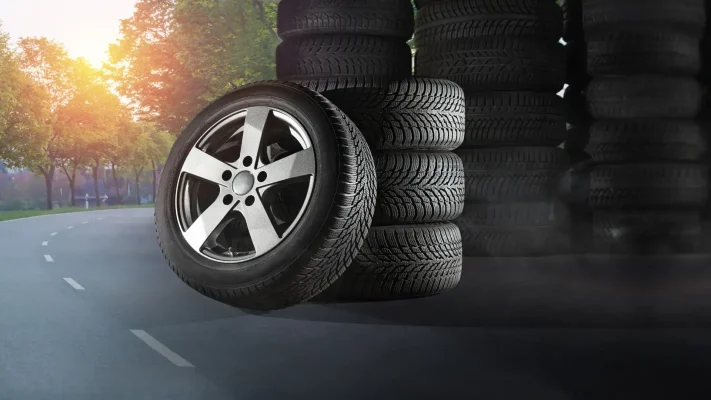
Winter tires do excellent work in cold, slushy, and icy conditions. But once the roads warm up, their softer rubber compound becomes a disadvantage. They can wear more quickly, respond less precisely, and lose life that you would rather save for next winter.
That is part of what makes spring changeover worth doing on time. It is not just about comfort. It is about protecting your investment. If your winter tires still have solid tread, you want them to stay that way until next season rather than grinding them down on warm pavement in April and May.
Spring and fall are ideal times to inspect your tires before and after a seasonal swap. Their advice to check just before the spring switch is especially useful because it helps drivers catch problems while the tires are already off the vehicle.
Changeover is the perfect time to inspect both sets
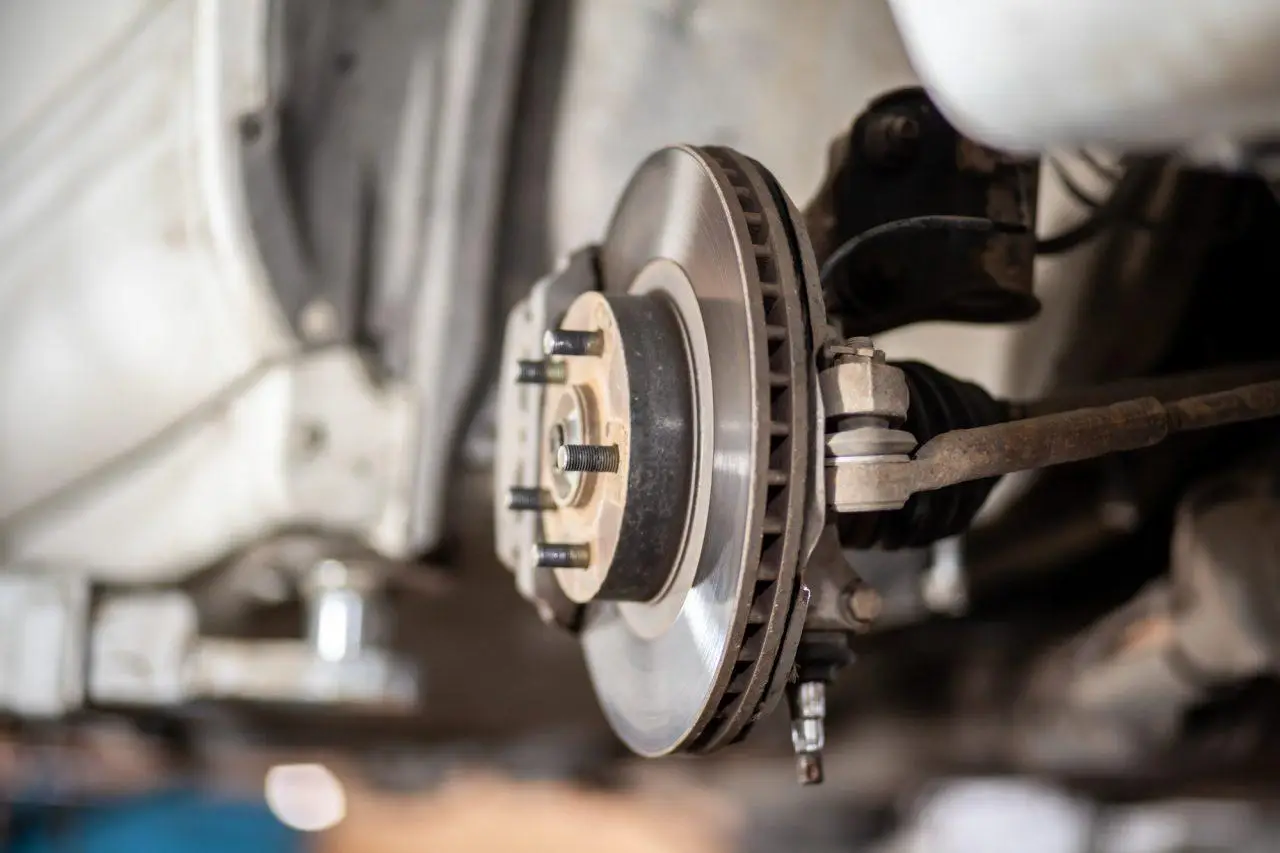
A lot of drivers think of a tire appointment as simple installation. In reality, it is one of the best maintenance checkpoints of the year. When the winter tires come off, you have a clear opportunity to look at tread depth, sidewall condition, wear patterns, and overall tire age.
Visible cracks, bulges, and uneven wear are all warning signs worth taking seriously, and it also reinforces our trained mechanics’ recommendation to replace winter tires when tread depth falls below 4 mm for optimal winter grip. That means your spring changeover should include a real condition check, not just a fast swap and stack.
This also fits naturally with one of our existing blogs, Ontario’s Winter Tire Laws Explained, which reminds drivers that winter tires are not legally required in Ontario but are strongly recommended because of the safety benefits they provide when temperatures drop. Bringing that same practical thinking into spring helps drivers protect those tires for the next cold season.
Uneven wear often points to something bigger
If one winter tire looks more worn than the others, that is not something to ignore. Uneven wear can point to alignment issues, wheel balance problems, or suspension wear, all of which can carry over and damage the all-season or summer set you are putting back on the car.
The Mufflerman’s tire service information makes that connection clearly by noting that irregular wear often ties back to steering, balancing, or suspension concerns. Spring is the perfect time to catch that because the problem is still fresh from winter driving, potholes, and rough road impacts.
If you are booking locally, this is where using a nearby shop matters. Whether you are searching for a Mufflerman location near you or planning a seasonal tire appointment ahead of time, the goal should be a changeover that includes a proper inspection rather than a rushed swap.
Tire pressure still matters after the swap
One of the most overlooked parts of spring changeover is tire pressure. Drivers often assume the tires are ready to go the moment they are installed, but early spring temperatures can still fluctuate enough to affect inflation. A tire that looks fine can still be underinflated, and that can affect wear, fuel efficiency, and handling.
Our mechanics recommend checking tire pressure at least once a month when the tires are cold and using the pressure listed on the vehicle label, not the number on the tire sidewall. That is a simple habit, but it matters more than many people think. Underinflation can shorten tire life and make a properly timed spring swap less effective.
The right spring swap sets up the rest of the season
A good spring tire changeover does three things. It protects your winter tires from unnecessary wear. It gives you a chance to inspect both sets properly. And it helps catch suspension or alignment issues before they ruin your current setup.
For Ontario drivers, that makes tire season about more than convenience. It is one of the smartest routine maintenance habits of the year. Done properly, a seasonal changeover helps your vehicle feel better, handle better, and stay ready for the months ahead. As spring appointments start to fill up, it is also a good idea to call your local Mufflerman early to schedule your tire changeover before the busiest part of the season.
FAQs
In most cases, once temperatures are consistently above 7°C, it is the right time to switch. The key is steady weather, not one unusually warm day.
Yes, it can be. Winter tires wear faster in warmer conditions and may not perform as well on dry spring roads.
Tread depth, cracks, bulges, uneven wear, tire pressure, and any signs of alignment or suspension issues should all be reviewed during the swap.
Yes. Spring is the best time to inspect your tires because you can spot wear or damage right away and decide whether they are ready for another season or if you need a new set.
Absolutely. If the winter tires show uneven wear or the vehicle pulls or vibrates, spring changeover is often when those problems become obvious.