Wheel bearing noise and tire noise can sound surprisingly similar. Both can create a hum, roar or drone that gets louder as vehicle speed increases, but changes in road surface, tire wear, steering load and vibration can help point toward the more likely source.
A noisy bearing, uneven tire wear, alignment problem or worn suspension component can overlap in how it sounds, so inspection should confirm the cause before parts are replaced. Current diagnostic content and manufacturer guidance both identify humming, growling, vibration and related handling symptoms as possible wheel-hub or bearing concerns.
What Does Wheel Bearing Noise Sound Like?
Wheel bearing noise is often described as a steady humming, growling, roaring or droning sound that rises with vehicle speed. As wear progresses, the sound may become more noticeable and can sometimes be accompanied by vibration, wheel looseness, steering changes or an ABS warning. MOOG identifies growling, humming, steering-wheel shaking and ABS warnings among possible symptoms of a failing hub assembly.
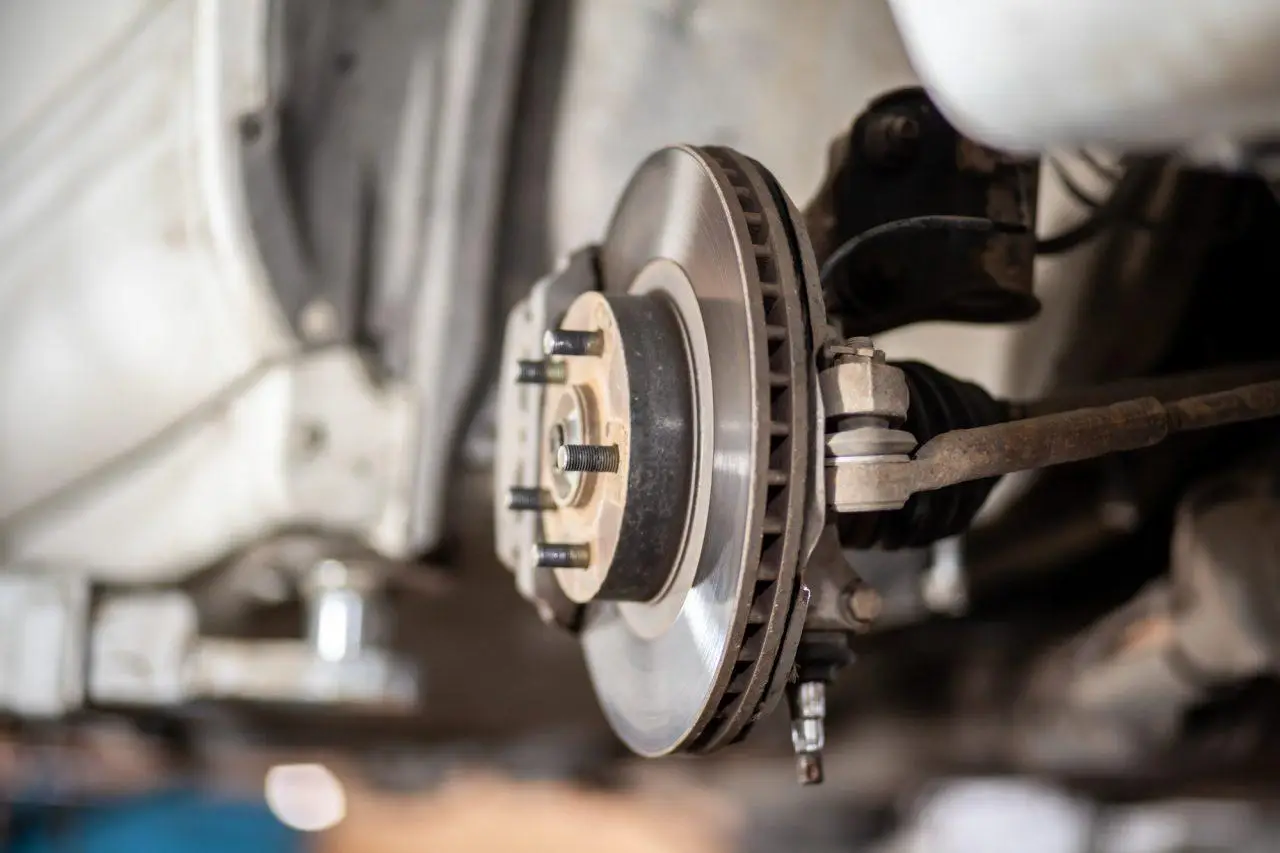
A wheel bearing sits in the hub and allows the wheel to rotate smoothly. When the bearing surfaces wear or become damaged, rotation can become noisy. The sound may be difficult to locate from inside the cabin because vibration and noise can travel through the vehicle.
The Mufflerman’s wheel bearing service lists humming, squealing and growling sounds, wheel wobble, ABS problems and steering-wheel vibration among symptoms that can point toward a bearing or hub concern.
Wheel Bearing Noise vs. Tire Noise: The Key Differences
The strongest clues come from how the sound behaves. Tire noise often changes with pavement texture or follows a visible tread-wear pattern, while wheel bearing noise is more likely to remain tied to vehicle speed and may change as weight shifts from one side of the vehicle to the other.
Neither clue is perfect on its own. A worn tire can make a steady highway hum, and an early bearing problem may not change dramatically during a turn. That is why technicians combine a road test with tire, hub, steering and suspension inspection.
Signs That May Point Toward Tire Noise
Tire noise is more likely when:
- the sound changes noticeably between smooth and coarse pavement
- the tread shows cupping, scalloping, feathering or uneven wear
- the noise changed after a tire rotation or seasonal tire change
- the sound has a rhythmic or chopping quality
- the vehicle also has signs of alignment or suspension wear
A tire does not need to be bald to become noisy. Uneven tread blocks can strike the road differently as the tire rotates, creating a repetitive hum or growl. Current tire-versus-bearing diagnostic content identifies changes with road surface and tread conditions such as cupping and feathering as useful tire-noise clues.
Signs That May Point Toward a Wheel Bearing
A wheel bearing becomes more suspicious when:
- the hum or growl steadily rises with road speed
- the sound seems concentrated near one wheel
- the noise changes when the vehicle gently changes direction
- vibration can be felt through the seat, floor or steering
- there is looseness or play at the wheel
- an ABS or traction-control warning appears on a vehicle that uses a wheel-speed sensor in the hub assembly
These signs still need confirmation. Tire, CV axle, suspension and driveline issues can create overlapping noises and vibrations. Manufacturer guidance similarly identifies humming, growling, steering vibration and ABS warnings as possible hub-assembly symptoms.
Why Does the Humming Get Louder as You Drive Faster?
Both a worn bearing and an irregular tire can get louder with speed because each completes more rotations per second as the vehicle accelerates.
That is why “it gets louder on the highway” is useful information but not enough to identify the failed part. Current comparison content notes that both bearing wear and uneven tire tread can create speed-sensitive humming or roaring.
Listen for what else changes. Does the noise change when the road surface changes? Does it become louder or quieter through a long, gentle curve? Did it start after a tire swap? Is there vibration with the sound? Those details can make a road test far more useful.
The Mufflerman’s broader guide to common vehicle noises and what they can mean also identifies wheel-bearing problems as one possible source of a growling or humming sound that becomes more noticeable as speed increases.
Why Can Wheel Bearing Noise Change When You Turn?
Turning shifts some of the vehicle’s load from one side to the other. If a wheel bearing is worn, that change in load can alter how the damaged bearing surfaces are loaded and can make the sound change. MOOG similarly notes that wheel-bearing grinding or noise can become more noticeable while turning.
This does not mean drivers should make sudden steering movements to diagnose the vehicle. A technician can assess the sound during a controlled road test and compare it with findings from an inspection on the hoist.
A change in sound during gentle cornering is one clue. It should be combined with checks for hub play, roughness, tire condition and other front-end or rear-suspension concerns.
How Tire Wear Can Sound Like a Bad Wheel Bearing
Cupped or feathered tires can produce a humming or roaring sound that resembles bearing noise. The difference is that tire noise is often connected to the shape and condition of the tread.
Cupping creates a series of high and low areas around the tread. Feathering creates a smoother edge on one side of a tread block and a sharper edge on the other. Both can make the tire contact the road unevenly and generate noise.
Cupping or feathering often means the tire itself is only part of the problem, so alignment, balance and suspension condition should also be checked. Replacing a noisy tire without correcting the cause may allow the same wear pattern to develop again.
MOOG identifies wheel balance, defective tires, uneven wear and worn suspension or steering components among possible sources of vibration. The Mufflerman also identifies alignment issues as a contributor to uneven tire wear.
The Mufflerman’s tire repair and inspection service includes attention to tire condition, inflation, balancing and uneven wear, while its alignment and steering service addresses symptoms such as pulling, vibration and uneven tire wear.
Can a Bad Wheel Bearing Turn On the ABS Light?
It can on vehicles where the wheel-speed sensor or tone ring is integrated with, or affected by, the hub and bearing assembly. If the sensor signal becomes unreliable, the vehicle may illuminate an ABS or traction-control warning. MOOG notes that hub assemblies can contain wheel-speed sensors used by the ABS and traction-control systems and lists an illuminated ABS light as a possible hub-assembly symptom.
An ABS light does not automatically mean the wheel bearing has failed. A damaged sensor, wiring problem, electrical fault or other brake-system issue can also trigger a warning, so a scan and inspection are needed.
If a warning light appears with a new hum, growl or wheel vibration, tell the technician about both symptoms. Their timing may help narrow down the diagnosis.
How Ontario Roads Can Affect Bearings, Tires, and Alignment
Southern Ontario vehicles deal with potholes, rough pavement, construction zones and repeated seasonal temperature changes. A sharp impact can affect more than one component at once, which is one reason a new highway hum should not automatically be labelled a bearing problem.
The Mufflerman’s existing pothole guidance explains that pothole impacts can damage tires and wheels and can contribute to alignment and suspension problems. Its Ontario guidance also connects freeze-thaw conditions with the region’s pothole cycle.
A pothole can damage a tire or wheel, disturb alignment, stress steering or suspension parts, or contribute to wheel-end damage. The symptom may appear immediately, or uneven tire wear may become noisy later.
By August, many vehicles have accumulated months of driving after spring pothole season, plus summer highway kilometres. A sound that has gradually become more noticeable deserves attention before fall commuting and winter preparation add more kilometres.
When Does a Humming or Grinding Noise Need Professional Diagnosis?
A new humming, roaring or growling sound should be inspected if it persists, becomes louder, changes during turns, or comes with vibration, pulling, wheel looseness or a warning light. MOOG advises having a suspected failing hub assembly assessed by a technician rather than continuing to ignore the symptoms.
Grinding is more urgent because it can indicate advanced wear or metal-to-metal contact somewhere in the wheel, brake or driveline area. If the vehicle feels unstable, a wheel appears loose, or you are unsure it is safe to drive, do not continue highway driving just to see whether the noise gets worse.
Diagnosis matters because the repair depends entirely on the source. A worn bearing needs a bearing or hub repair. A cupped tire may require tire replacement plus attention to the suspension or alignment. A balance problem needs a different correction again.
If you are hearing a persistent hum or growl, The Mufflerman can inspect the wheel bearing, tires, steering and related components to identify where the sound is coming from before recommending a repair. The company provides wheel-bearing, tire and alignment services throughout its Southern Ontario service network.
Frequently Asked Questions
Yes, a worn wheel bearing often becomes more noticeable as road speed increases because the bearing is rotating faster. Tire and driveline noises can also rise with speed, so this symptom alone does not confirm a bearing failure.
Wheel bearing noise can change during a turn because cornering changes the load on the bearings from side to side. The direction of the sound change can be a useful diagnostic clue, but it should be confirmed with a controlled road test and physical inspection.
Yes. Cupped, feathered or otherwise unevenly worn tires can create a steady hum or roar that is easy to mistake for a bearing problem. Checking the tread pattern and whether the sound changes with pavement or tire rotation can help distinguish the two.
It can if the wheel-speed sensing components are part of, or affected by, the hub and bearing assembly. An ABS light has several possible causes, so the warning should be scanned and diagnosed rather than assumed to be a bearing fault.
A persistent bearing noise should be inspected because the amount and rate of wear cannot be judged reliably from cabin noise alone. If the noise has progressed to grinding, the wheel feels loose, the vehicle vibrates strongly or handling has changed, avoid unnecessary driving and have the vehicle assessed promptly.