You did the right thing. You installed winter tires, the temperature dropped, and you expected your car to feel planted.
So why does it still feel like the back end wants to drift on turns, or like your steering is “floaty” on the highway? In February, that slippery feeling is usually not one single problem. It is often a combination of tire pressure, wheel alignment, and suspension wear that gets exposed when roads are cold, rutted, and unpredictable.
If you want a quick baseline check, The Mufflerman’s tire team can inspect tread, pressure, and overall condition, then point you toward the right fix if it is something deeper.
Winter tires help, but they cannot override physics
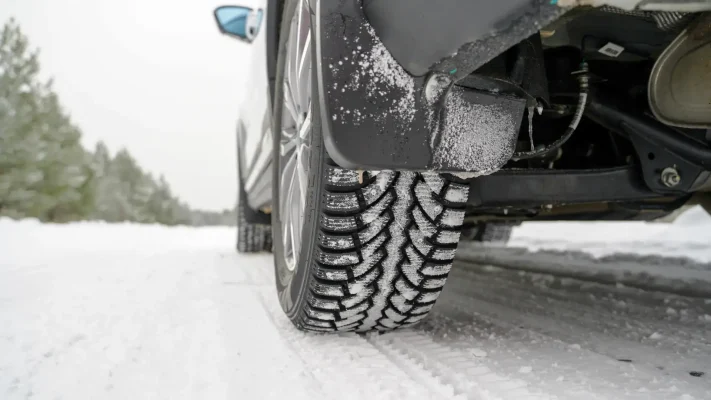
Winter tires are designed to stay more flexible in cold temperatures and improve traction compared to all-season tires. That matters, especially when roads are snow-covered or icy. Transport Canada also recommends using winter tires on all four wheels for cold, snowy, or icy conditions, because balanced traction helps you maintain control.
But even the best winter tire has limits. Glare ice, packed snow, slush, and wet salt film can all feel slick, especially at intersections and on ramps. Winter tires give you more grip, not perfect grip. If your car feels unusually slippery compared to last winter or compared to earlier in the season, that is when it is worth looking beyond the tire brand and tread pattern.
The quiet culprit: tire pressure that dropped with the temperature
This is the most common reason drivers feel “skatey” even with good winter tires. Cold air shrinks. Your tires lose pressure, and handling can change more than people expect. Under-inflation can make the steering feel heavy and vague, and it reduces the tire’s ability to bite into snow and slush.
Transport Canada specifically calls out checking tire pressure often, especially before highway driving, because properly inflated tires improve traction and safety (Using winter tires and checking air pressure.
If you have not checked your tire pressure since the first real cold snap, start there. Set it to the vehicle manufacturer’s recommended PSI (usually on the driver’s door jamb sticker). Do not rely on the tire sidewall number. That is a maximum rating, not your target.
Winter tire tread might be “legal,” but not winter-ready
A tire can pass a quick glance and still be past its prime for winter. If your winter tires are older, or if you ran them through a warm fall before installing them, the rubber can harden and the tread can wear down faster than expected.
In real winter driving, tread depth matters because it helps channel slush and grab packed snow. If you are noticing more sliding when braking or turning, ask for a tread depth check along with your pressure check. The point is not to scare you into buying tires early. It is to confirm you actually have enough tread to handle February roads with confidence.
If it turns out you do need replacements, you can start by browsing options through The Mufflerman tire selector, then book installation at a location near you.
When alignment is off, your tires cannot do their job evenly
If your car pulls slightly to one side, feels twitchy in ruts, or seems to “wander” on the highway, alignment could be part of the problem. A misalignment changes how your tire contacts the road. Instead of the tread sitting flat, it can ride on an edge, which reduces grip and accelerates uneven wear.
This shows up in winter as a slippery feeling in corners or lane changes. The vehicle feels less predictable, especially on packed snow where you need consistent contact.
If you have hit a few potholes lately, that strengthens the case. The Mufflerman’s pothole-season article notes that potholes can lead to misaligned wheels and damaged suspension components, which reduces handling and can cause uneven tire wear.
Worn suspension makes winter traction feel worse than it is
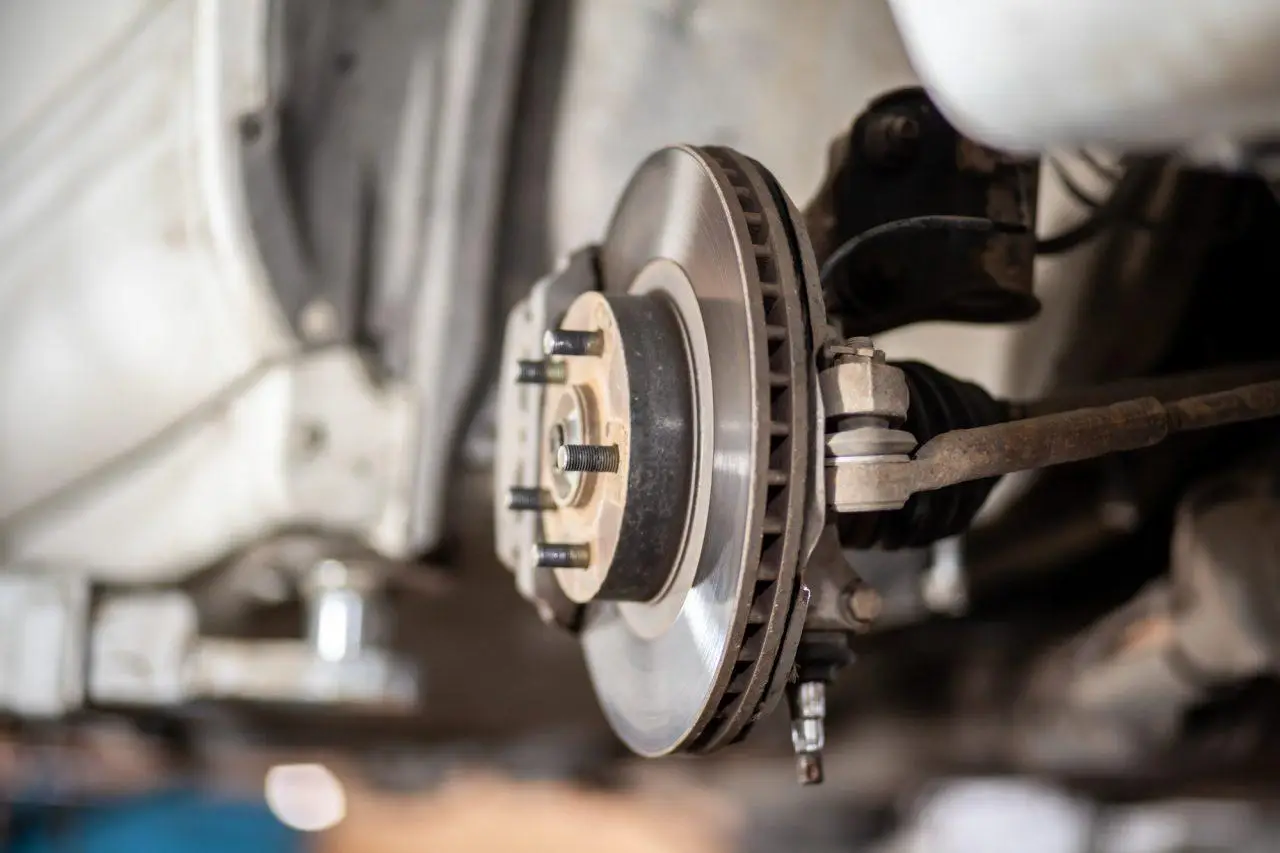
Suspension is what keeps your tires pressed into the road. When shocks or struts are worn, your car can bounce more over bumps and dips, especially on rough winter pavement. That bounce reduces contact, which feels like slipping even if your tires are decent.
You might notice this most when:
- You hit a bump mid-turn and the car feels like it shifts sideways.
- You brake and the front end dives more than usual.
- You feel a “porpoising” motion on the highway after dips or expansion joints.
In winter, suspension issues show up faster because roads are harsher and traction margins are smaller. If your winter tires are newer but the car still feels loose, it is worth checking the suspension system.
What you can do immediately when the car feels slippery
Start with the simplest checks before assuming you need new parts.
First, check tire pressure and correct it. If you do not have a gauge, most gas stations have air, and many shops will check it quickly.
Next, look at your tires. If you see uneven wear, feathering, or one edge worn faster than the other, that points toward alignment or suspension.
Then pay attention to the pattern. If the car slips mostly on acceleration and feels like the traction control is always working, it may be tire pressure, tread, or road conditions. If it feels unpredictable during steady cruising or lane changes, alignment and suspension become more likely.
The bottom line: winter handling is a full-system issue
Winter tires are a big part of staying safe, but they are only one part. Pressure, tread depth, alignment, and suspension condition all work together. When one is off, winter roads make it obvious.
If your car feels slippery even with winter tires, take it as a helpful signal. A quick inspection now can prevent accelerated tire wear, longer stopping distances, and that stressed-out feeling every time you hit a ramp or a rough patch of road.
FAQs
Most often it is low tire pressure, worn tread, or road conditions like glare ice. If it feels worse than usual, alignment or suspension wear may be contributing.
If the car pulls, wanders, or feels unstable during lane changes, alignment is a strong possibility. Uneven tire wear is another clue.
Yes. Suspension keeps the tire planted. If the tire is bouncing more over bumps, it loses contact and feels less controlled on snow or slush.
Not automatically. Get tread depth checked and consider how they feel. Winter performance can drop noticeably once the tread is too shallow, even if the tire is still technically usable.