As winter fades, a lot of drivers start noticing sounds that were easy to miss during the colder months. One of the most common is brake noise. You back out of the driveway, tap the brakes, and hear a squeak that was not there before. Sometimes it disappears after a few stops. Sometimes it keeps coming back.
That can make spring brake noise tricky. In some cases, it is just a bit of surface rust or moisture after the vehicle has been sitting. In other cases, it is your car telling you the brake system needs attention. Knowing the difference can help you deal with a small issue before it turns into a more expensive repair.
Why Brake Noise Often Shows Up In Spring
Winter driving in Southern Ontario is hard on just about every part of a vehicle, and brakes are no exception. Salt, slush, moisture, temperature swings, and stop and go driving all add up over the course of a long season. By the time spring arrives, wear that built up quietly through the winter can start making itself known.
That’s one reason The Mufflerman highlighted brake checks in its Spring Road Trip Essentials article. After months of icy, salted roads, spring is a smart time to pay closer attention to how your brakes sound and feel, especially before longer drives or weekend trips.
When The Noise Is Telling You More
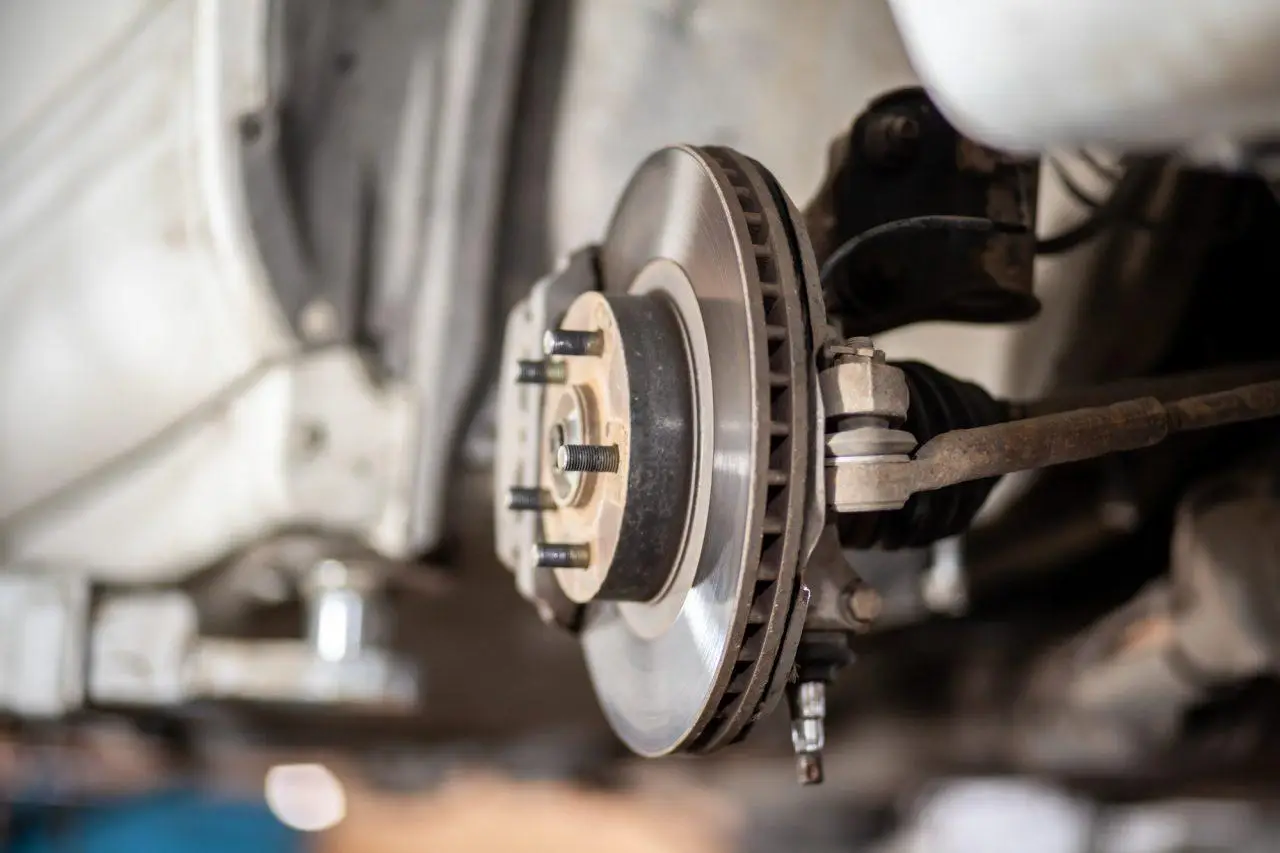
The bigger concern is when the sound doesn’t go away. If your brakes squeak every time you slow down, if the noise gets worse, or if it turns into grinding, that’s worth having checked. Persistent noise can point to worn brake pads, uneven wear, hardware issues, or other brake system problems that should not be ignored.
The Mufflerman’s post on vehicle noises you should not ignore makes a useful point here. Squealing when braking is one of the most common warning sounds a vehicle makes, and it is much better to address it before it develops into grinding. Brake pads are one thing. Rotors are another. Waiting too long can turn a simpler repair into a more involved one.
What Winter Can Leave Behind In Your Brake System
Even if you didn’t notice any major problems during the winter, that does not mean your brakes came through the season untouched. Road salt and grime can contribute to corrosion. Cold weather and moisture can affect hardware. Pads and rotors that were already partway worn may finally reach the point where they start making noise in spring.
That’s why a seasonal inspection matters. The Mufflerman’s brake service page emphasizes regular maintenance and periodic inspections for exactly this reason. Brake issues are often easier and less expensive to deal with when caught early.
Squeaking Is Not The Only Sign To Watch For
Noise is usually the first thing drivers notice, but it should not be the only thing you pay attention to. If the brake pedal feels different, the vehicle pulls to one side, stopping distances seem longer, or you feel vibration while braking, it is time to book an inspection. Spring roads can make it tempting to focus only on tires and pothole damage, but your braking system deserves the same attention.
If winter roads were especially rough this year, it can also make sense to pair a brake check with a look at your steering or suspension. The systems do different jobs, but the symptoms can overlap when a vehicle starts feeling less stable or less responsive than it should.
Why It Is Better To Deal With Brake Noise Early
A lot of drivers put off brake inspections because the vehicle still stops, or because the sound comes and goes. That is understandable, especially if the noise seems minor. But brake issues rarely get cheaper by being ignored. If the pads are wearing thin or the hardware is not moving as it should, time usually works against you.
Spring is actually one of the best times to take care of it. You are already moving out of winter mode and thinking about seasonal maintenance. You’re also better off solving a brake issue now than discovering it right before a long drive, a busy holiday weekend, or the first stretch of heavy spring rain.
What To Do If Your Brakes Are Still Squeaking
Start simple. Pay attention to when the sound happens and how long it lasts. If it’s only brief and disappears quickly, surface rust may be the cause. If it keeps happening, sounds sharper, or is joined by grinding, vibration, or reduced braking confidence, book a professional inspection.
For drivers looking for an auto mechanic, or for help at any of The Mufflerman’s other Southern Ontario service centres, spring is the right time to get ahead of brake trouble instead of waiting for it to get louder.
FAQs
Winter leaves behind moisture, salt, road grime, and normal wear that can all contribute to brake noise. In spring, that wear often becomes more noticeable as driving conditions change.
If the sound is caused by light surface rust, it often clears up after a few normal stops. If it continues every time you brake, it is worth getting checked.
Sometimes squeaking is minor, but persistent squealing can be a sign of worn brake pads or another issue. If the sound keeps coming back, or if it becomes grinding, do not put it off.
Yes. Salt and moisture can contribute to corrosion and wear over time, which is one reason spring is a smart time for a brake inspection.
If the noise doesn’t go away, if braking feels different, or if you are planning more driving as the weather improves, it is a good time to have your brakes checked.