Spring always feels like a relief after a long Ontario winter. The roads are clearer, the days are longer, and most drivers are ready to stop thinking about snow, slush, and ice. But for your vehicle, spring is often when winter’s damage finally starts to show.
Potholes, salt, rough pavement, freezing temperatures, and hidden road debris can all take a toll. Maybe your car started pulling slightly to one side. Maybe the steering wheel shakes at highway speed. Maybe the ride feels bumpier than it did in the fall. These are not always random problems. They are often signs that your tires, suspension, alignment, or steering components need attention.
As The Mufflerman explained in Spring Vehicle Care Tips Every Ontario Driver Should Keep in Mind, spring maintenance is not just about swapping tires. It is about checking how your car handled the hardest months of the year before small problems turn into bigger repairs.
Why Spring Roads Are So Hard On Your Vehicle
Winter roads do not recover overnight. By the time spring arrives, many streets and highways have gone through months of freezing, thawing, plowing, salting, and patching. Potholes can appear quickly, and even a single hard hit can affect the way your vehicle drives.
Sometimes the damage is obvious right away. Other times, it is more subtle. Your steering may feel slightly off. Your tires may begin wearing unevenly. Your car may feel loose over bumps or unstable during lane changes. These symptoms are easy to ignore at first, especially if the vehicle still gets you where you need to go.
The problem is that alignment and suspension issues rarely improve on their own. If the vehicle no longer feels planted or predictable, booking an alignment and steering service can help identify what changed and what needs to be corrected.
Your Car Pulls To One Side
One of the most common spring complaints is a car that pulls left or right when the steering wheel is centred. This can happen after hitting a pothole, curb, or rough patch of pavement. It can also be caused by uneven tire pressure, worn tires, or suspension wear.
A vehicle that pulls is more than an annoyance. It can make driving tiring, reduce control, and cause tires to wear out faster. If your steering wheel is no longer straight, or if you have to keep correcting the vehicle to stay in your lane, it is worth having the front end inspected.
Your Steering Wheel Shakes At Higher Speeds
A shaking steering wheel can make a simple highway drive feel uncomfortable fast. The Mufflerman’s blog on why your car shakes on the highway explains that vibration can come from something simple, like ice buildup in the wheel during winter, but it can also point to wheel balance, tire damage, alignment issues, or pothole-related wear.
In spring, that vibration should not be dismissed as leftover winter behaviour. If the roads are dry and clear but the shaking continues, the vehicle may need a closer look. A bent rim, uneven tire wear, worn suspension component, or balance issue can all create a vibration that gets worse at certain speeds.
If your car shakes between 90 and 110 km/h, or if the vibration seems to be getting stronger, have it checked before a minor issue turns into a bigger repair.
Your Ride Feels Bumpy, Loose, Or Unstable
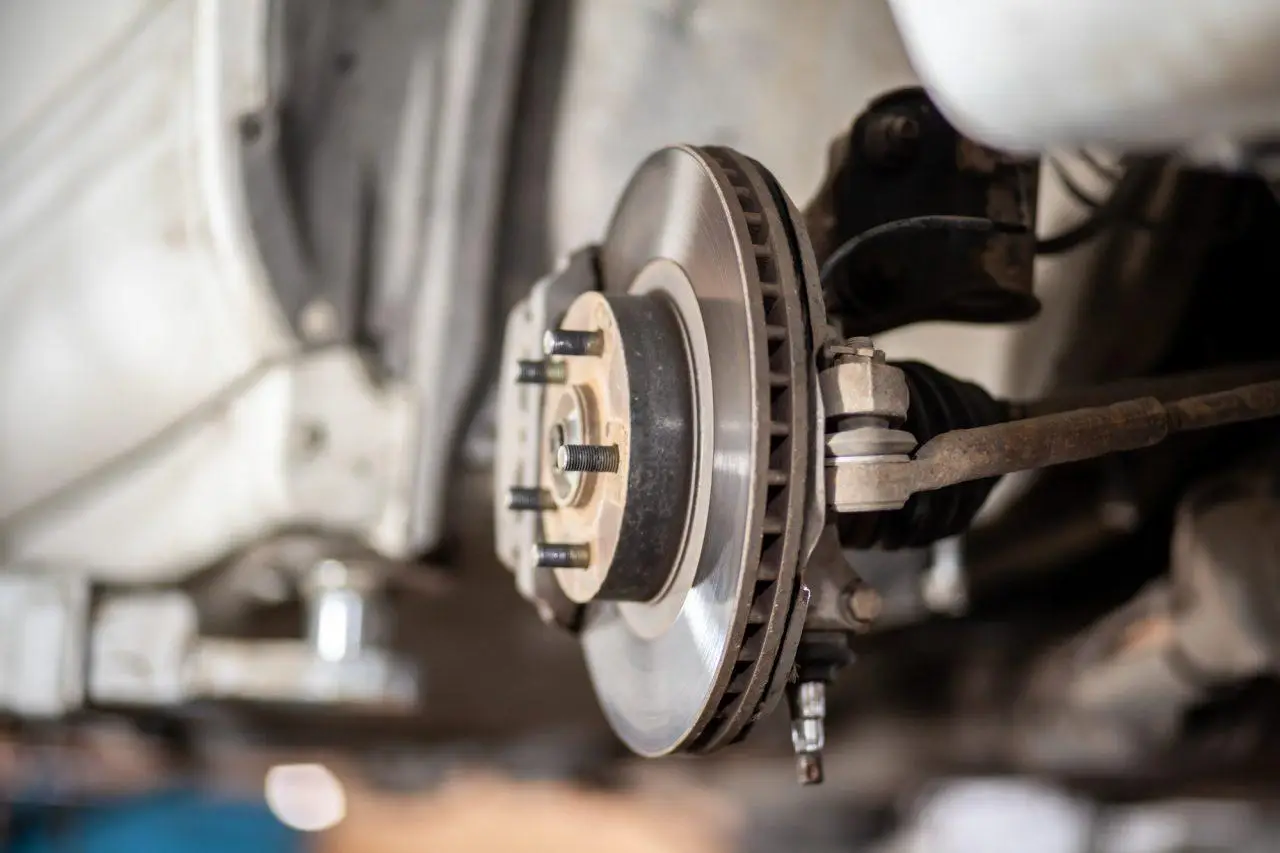
Suspension problems often show up after winter because the system has been working hard for months. Shocks, struts, bushings, ball joints, and other components help keep your tires in contact with the road. When they are worn or damaged, the car may bounce more than usual, feel loose over bumps, or make clunking sounds.
The Mufflerman’s suspension services page notes that a bumpy ride, poor braking control, and uneven tire wear can all be signs of suspension trouble. That is especially important after pothole season, because suspension issues can affect comfort, safety, braking, and tire life.
If your vehicle feels rougher than it used to, spring is a smart time to have it inspected.
Uneven Tire Wear Can Be A Warning Sign
Tires tell a story. If one edge is wearing faster than the other, or if one tire looks noticeably different from the rest, something may be off. It could be alignment. It could be tire pressure. It could be suspension wear. Whatever the cause, uneven wear should not be ignored.
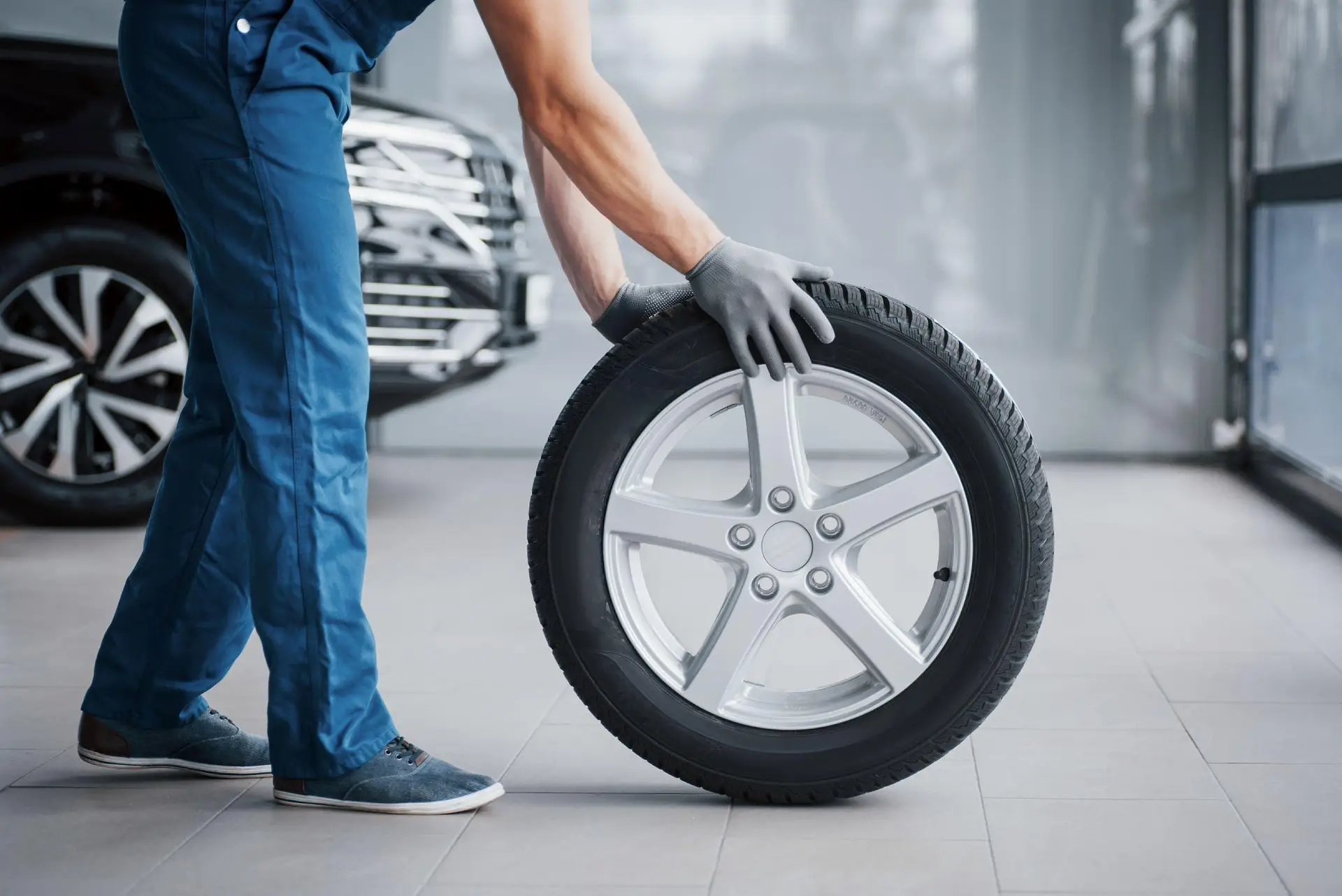
The Mufflerman’s tire repair services can help drivers check for visible damage, wear patterns, punctures, and pressure issues. This is especially useful during spring tire changeover season, when tires are already being removed, inspected, and reinstalled.
A quick tire inspection can help reveal problems you might not notice from the driver’s seat.
Spring Is The Right Time To Book A Practical Inspection
You do not need to wait until something feels serious. Spring is the ideal time to reset your vehicle after winter. If your car pulls, shakes, clunks, bounces, or feels less steady than usual, those are all signs worth checking.
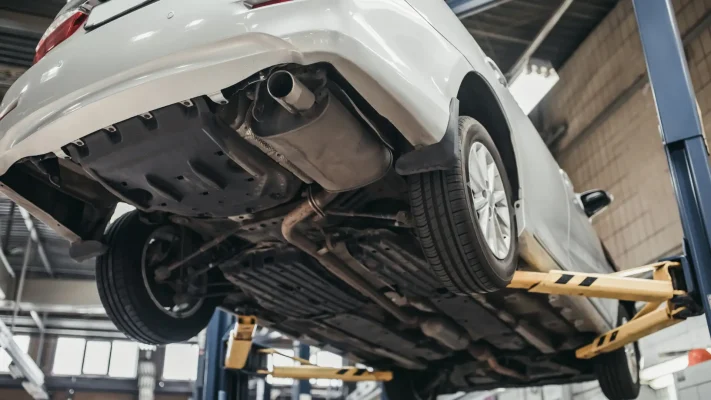
The Mufflerman offers service across multiple Southern Ontario locations, making it easier to have your vehicle looked at before summer driving begins. Whether the issue is alignment, tires, suspension, steering, or brakes, a proper inspection can help you understand what is happening and what should be repaired first.
Winter is tough on vehicles. Spring is your chance to catch the damage before it costs more.
FAQs
Your car may pull to one side because of poor wheel alignment, uneven tire pressure, tire wear, or suspension damage. Potholes and rough winter roads can easily affect how the vehicle tracks.
Yes. A hard pothole hit can damage suspension parts, wheels, tires, or alignment. If your car feels bumpy, loose, or noisy after hitting a pothole, it should be inspected.
A shaking steering wheel may be caused by tire imbalance, uneven tire wear, damaged wheels, alignment problems, or worn suspension components. If the vibration continues on clear roads, it is worth checking.
Yes. Spring is one of the best times to check alignment because winter roads, potholes, and curb impacts can all affect how your vehicle handles.