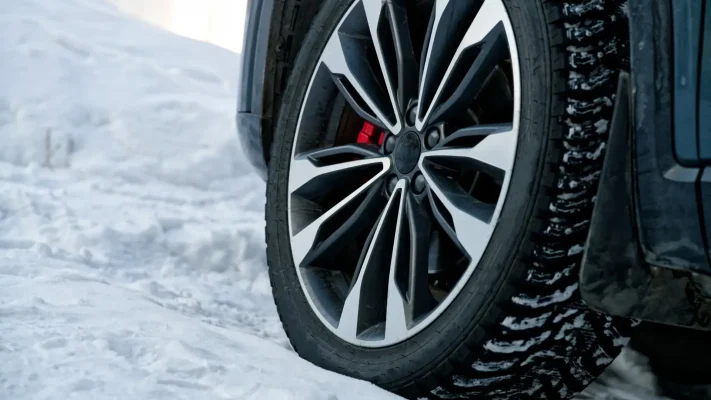
Your November tire appointment can come with a second decision: pay to put winter tires on the wheels you already own, or buy another set of wheels to keep them mounted year-round.
Winter tires on separate rims can simplify seasonal changes and reduce recurring mounting work. They are not essential for every driver, though. The better choice depends on compatible fitment, the complete package price, seasonal service charges, storage and how long you expect to keep the vehicle.
What Changes When Winter Tires Have Their Own Rims?
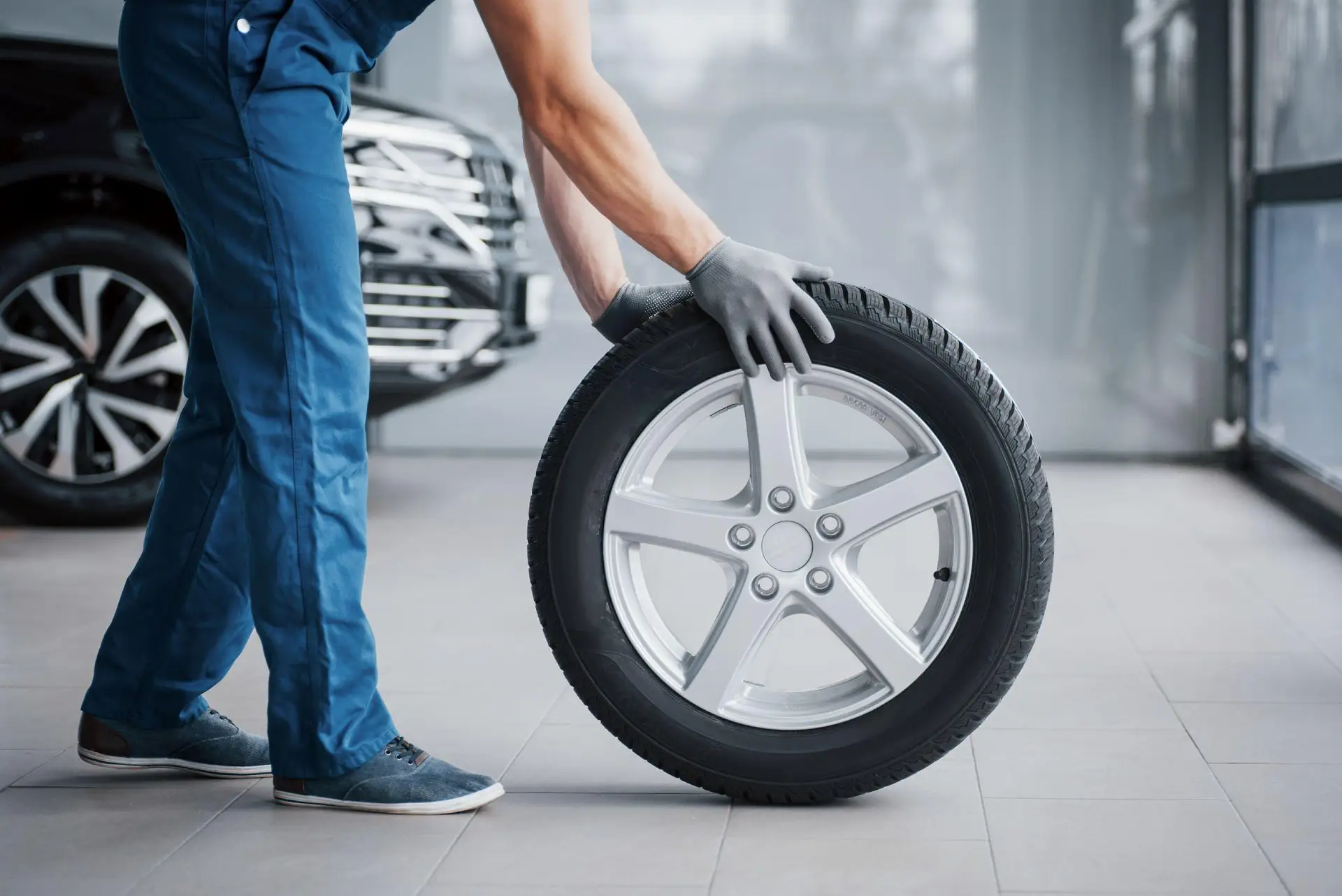
A dedicated winter wheel set lets the shop exchange complete tire-and-wheel assemblies. When both seasonal tire sets share one set of wheels, the tires must be removed and the other set mounted and balanced. People often use “rims” to mean wheels. For this decision, separate rims means four additional wheels suitable for your vehicle and winter tires.
With a shared set, a technician uses tire-changing equipment to remove each tire from its wheel, mounts the replacement seasonal tire and balances the assembly. With dedicated sets, the tires stay mounted between seasons. An on-rim swap still requires inspection, correct installation, pressure adjustment and tightening fasteners to the specified torque. It does not eliminate seasonal maintenance.
The Mufflerman’s seasonal tire services include installation, balancing and storage. Tell the shop which setup you have when booking so it can quote the appropriate work.
Compare the Whole Package, Not Just the Wheel Price
Separate wheels add upfront expense, while sharing wheels generally involves more mounting labour at each seasonal visit. Compare itemized quotes before deciding which approach costs less over your ownership period.
Ask for two options for the same vehicle and tire specification. One quote should cover tires installed on your existing wheels. The other should include compatible additional wheels, initial mounting and balancing, required hardware and any applicable sensor work.
Then request the ongoing seasonal service price for each arrangement. Include taxes and any differences in storage charges.
| Consideration | One Shared Wheel Set | Dedicated Winter Wheels |
|---|---|---|
| Initial Purchase | No additional wheels if existing ones are suitable | Additional compatible wheels and potentially hardware or sensors |
| Seasonal Work | Dismount, mount and balance tires | Exchange complete assemblies and perform required checks |
| Storage | Loose seasonal tires | Complete tire-and-wheel assemblies |
| Ownership Plans | Lower upfront commitment | More opportunities to offset the initial cost over repeated changes |
A useful calculation is the additional upfront cost divided by the saving per seasonal visit. The result estimates how many visits would recover that extra expense, assuming prices and requirements remain unchanged. Don’t count the winter tires themselves as an extra cost of separate wheels if you would buy the same tires either way. Include only the costs that actually differ.
There is no universal payback period. A package that makes sense for someone keeping a car for six winters may be less attractive to someone trading it in next spring.
Wheel Compatibility Comes Before Savings
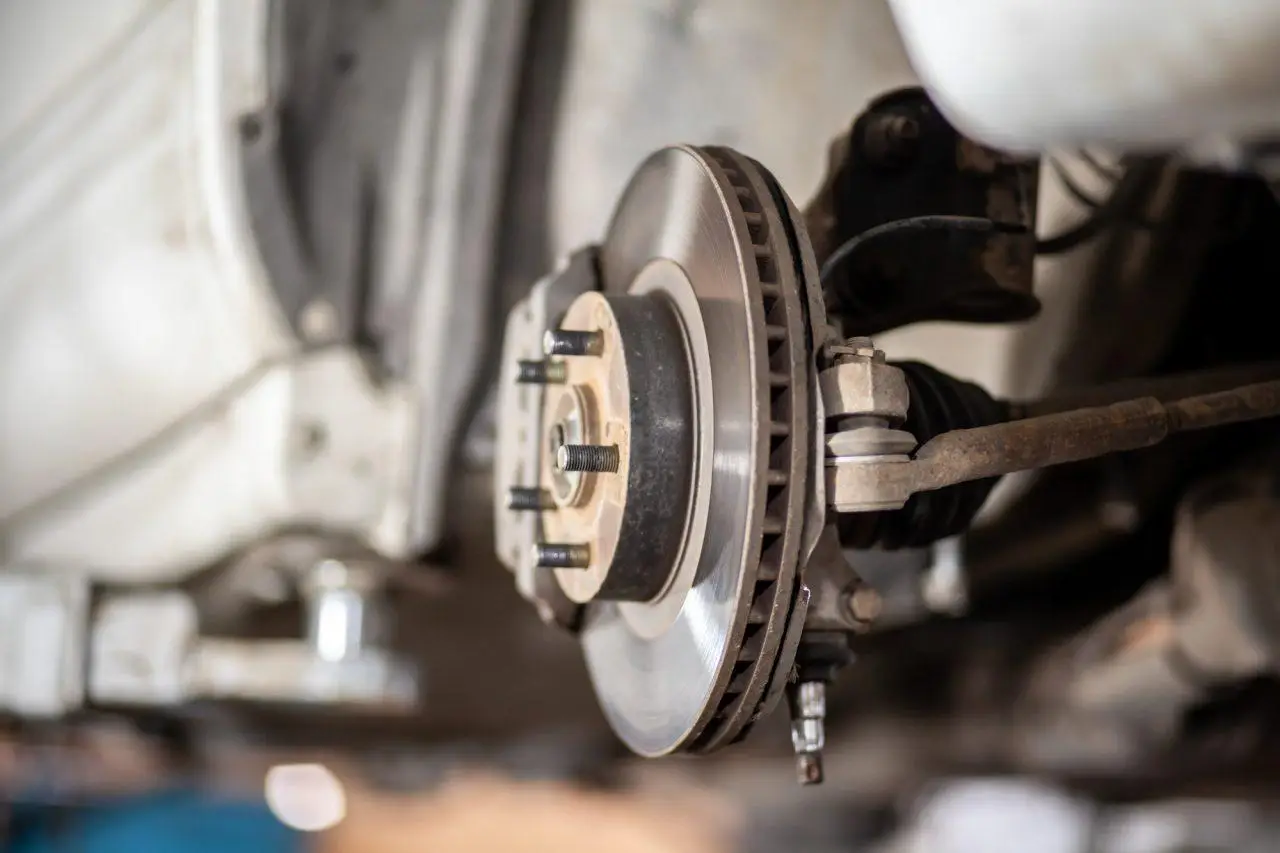
Winter wheels must fit the vehicle’s specifications and clear its brakes. Matching the number of wheel bolts is only one part of that assessment. The shop needs to check wheel diameter and width, bolt pattern, offset, centre bore, load capacity and suitable fastening hardware. Brake-caliper clearance also matters, especially where different trim levels have different brake packages.
Bring the vehicle’s year, make, model and trim when requesting a quote. Mention aftermarket brakes or suspension changes because catalogue fitment for a standard vehicle may no longer apply. A smaller winter wheel may be possible on some vehicles, but it requires an approved tire-and-wheel combination. A larger tire sidewall does not compensate for a wheel that cannot clear the brakes or meet load requirements.
Used wheels deserve the same scrutiny. A bargain set with corrosion at the sealing surface, cracks, bends or unsuitable hardware can create additional work before it is ready to install. If you are comparing winter tire options, ask for the wheel specifications alongside the tire details. That makes competing quotes easier to compare fairly.
Steel or Alloy Wheels: Compare the Actual Options
Both steel and alloy wheels can be suitable for winter when their specifications and condition are appropriate. Material alone does not establish compatibility or durability. Steel wheels are often considered for their purchase price and simple appearance. Alloy options may offer a wider range of designs or suitable fitments for certain vehicles.
Compare the actual products available for your vehicle, including finish, care instructions, warranty and replacement availability. Avoid assuming a wheel is immune to corrosion because it is advertised for winter use. Road salt, moisture and damaged coatings can affect wheel condition. Cleaning and inspection remain part of looking after either material.
Confirm whether the package needs different nuts or bolts. Hardware that fits your original wheels may have the wrong seat shape or other dimensions for the replacement set.
Include Tire-Pressure Monitoring in the Quote
Your vehicle’s tire-pressure monitoring system can affect what a second wheel set requires. Ask the shop to identify the system before approving the package. Direct TPMS uses pressure sensors associated with the wheels. A separate winter set may need compatible sensors and a vehicle-specific programming or relearn procedure.
Indirect systems use vehicle data, such as wheel-speed information, rather than individual wheel-mounted pressure sensors. They may require calibration after a seasonal change according to the owner’s manual. Don’t assume every vehicle has TPMS or that every system follows the same reset process. Ask what applies to your model and what the quoted price includes.
Whatever system is fitted, pressure still needs checking against the vehicle’s recommended cold inflation specification. A dashboard warning should not be dismissed simply because winter wheels were recently installed.
Storage and Booking Affect the Practical Decision
A second wheel set is useful only if you can store and handle it between seasons. Complete assemblies add weight, which matters if you carry them from a basement or load them into a small car. Check storage space before purchasing. If you prefer shop storage, confirm availability, charges and what the service includes.
For November appointments, explain whether the tires are already mounted, whether the shop is supplying a new package and whether you have a warning light or vibration. Those details help the team plan the work.
Drivers considering winter tires can request package and installation details together. Ask for an itemized comparison rather than choosing from a tire-only price. If some existing tires may be reusable, settle their condition first. Our guide to replacing two winter tires explains the separate question of matching tire condition and vehicle requirements.
Frequently Asked Questions
Separate rims do not create the winter traction benefit by themselves. Suitable winter tires, their condition and correct installation matter, so buying wheels should not come at the expense of replacing unsuitable tires.
A winter wheel package may have resale value, but recovering its purchase price is not guaranteed. Keep its specifications and purchase records so a future buyer can have compatibility checked properly.
Recording each wheel’s previous position can help the technician assess the next installation and any appropriate rotation. Directional tires, staggered sizes and vehicle requirements can limit where an assembly may be fitted.
Tell the shop about a missing wheel lock key before the appointment. Removing locking fasteners may require additional arrangements, so discovering the problem during a booked changeover can delay the work.